
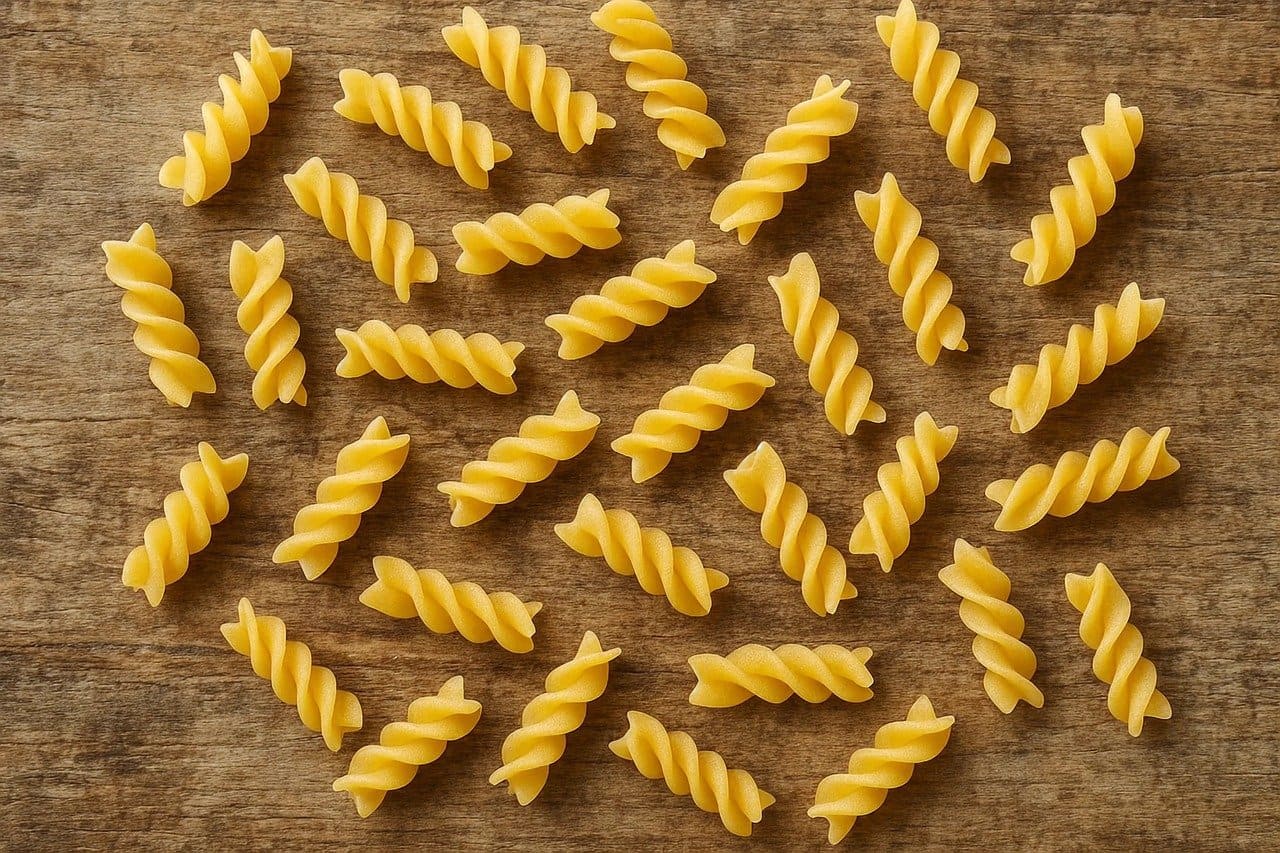
Fusilli is the pasta shape that turns “just sauce and noodles” into a bowl with real texture. Those tight spirals aren’t just decorative—they’re designed to trap flavor. Creamy sauces cling to the curves, chunky vegetables wedge into the grooves, and simple dressings get pulled into the twist so every bite tastes seasoned. Fusilli also holds up well in leftovers, making it a favorite for meal prep, pasta salads, and weeknight skillets that need to reheat without turning soft. Whether you’re cooking with a classic spiral or exploring larger and longer variations, fusilli is a pantry staple that works in nearly any direction. In this Second Pasta guide, we’ll break down what makes fusilli pasta so versatile, how different types behave, and how to build dishes that make the most of that sauce-catching shape.
What Makes Fusilli Pasta So Effective
Fusilli pasta is built around one advantage: surface area. The spiral creates more edges and grooves than smooth, straight noodles, which helps sauce cling and helps toppings stick. That’s why fusilli excels in recipes that include diced ingredients—tomatoes, olives, sautéed zucchini, crumbled sausage, or roasted peppers. The shape keeps everything together, so your forkful feels complete instead of “pasta here, toppings there.”
Fusilli also has a satisfying bite. The twists create a slightly springy texture that feels hearty without needing a thick pasta. It’s the kind of noodle that stays interesting even in a simple bowl with olive oil, garlic, and cheese.
Cooking Fusilli: How to Keep the Spirals Bouncy
The key to great fusilli is al dente texture. Because the spiral is thicker in places, overcooking can make the outside too soft before the center is fully tender. Use plenty of boiling salted water, stir early, and taste-test near the end.
A few practical tips:
- Don’t overcrowd the pot—spirals need space to move.
- Stir the first minute to prevent sticking.
- Save a cup of pasta water before draining.
- Toss the pasta with sauce right away so it doesn’t clump.
That saved pasta water helps sauces slip into the spirals and coat evenly, creating a glossy finish rather than a dry, “sauce on top” look.
Fusilloni: Bigger Spirals, Bigger Bite
Fusilloni is essentially fusilli’s larger, bolder cousin. The spirals are wider and more dramatic, which makes them excellent for thick sauces and baked dishes. Because the grooves are deeper, fusilloni can hold hearty ingredients like chunky meat ragù, roasted vegetables, or creamy cheese sauces that need something sturdy.
Fusilloni is also a great choice when you want the pasta itself to feel like the star. The shape is visually striking, and the larger bite can make a simple sauce feel more satisfying.
Fusilli Lunghi: Long Spirals With a Twirl Factor
Fusilli lunghi takes the spiral concept and stretches it into long strands. It gives you the fun of twirling like a long pasta, but with the sauce-grabbing power of a spiral. This type is especially good for sauces that you’d normally use with long noodles—creamy sauces, herb-forward sauces, or light tomato sauces—because it brings a different texture without changing the overall feel of the dish.
If you like the elegance of ribbon pastas but want more texture, fusilli lunghi is a great way to get both.
Durum Wheat Fusilli Pasta: Why the Ingredient Matters
Durum wheat fusilli pasta is valued for its firmness and ability to hold shape during cooking. Durum wheat is commonly used in dried pasta because it creates a dough that cooks up with a good bite and resists turning mushy. That matters with spirals, since you want the twists to stay defined and springy.
If you’re making pasta salad or planning leftovers, a sturdy durum wheat fusilli pasta can be especially helpful because it stays pleasant even after chilling and dressing.
Fusilli Bucati: A Twist With a Hidden Surprise
Fusilli bucati combines two pasta advantages: spirals and a hollow center. The word “bucati” suggests an opening or hollow, and that hollow space gives sauce another place to hide. With fusilli bucati, you get sauce in the grooves and inside the pasta, which makes even simple sauces feel more intense.
This type shines with sauces that you want to taste in every bite—spicy tomato sauces, creamy pepper sauces, or garlicky oil sauces with herbs. It’s also excellent with small toppings like capers, chopped olives, or finely diced roasted vegetables that can cling and tuck into the shape.
Best Ways to Use Fusilli (So It Always Feels Right)
Fusilli is at its best when the sauce and toppings are “fork-friendly”—small enough to get caught in the spirals. A few winning directions:
- Creamy skillet pasta: cream, cheese, garlic, spinach, and chicken
- Chunky veggie pasta: roasted peppers, zucchini, onion, and a tomato base
- Pesto-style pasta: basil pesto, peas, lemon, and parmesan
- Pasta salad: vinaigrette, herbs, crunchy veggies, and cheese cubes
Because fusilli holds onto dressing so well, pasta salad with fusilli often tastes more flavorful than the same salad made with smoother noodles.
A Natural Pairing: Fusilli and Spaghetti Squash in Balanced Meals
If you love the comfort of pasta but sometimes want a lighter option, spaghetti squash is a natural companion in your rotation. Spaghetti squash gives you tender strands that pair beautifully with many of the same sauces you’d use with fusilli—marinara, pesto, or garlic and olive oil. You can even serve them side-by-side for a mixed bowl: fusilli for hearty bite and spaghetti squash for lightness and extra vegetables. It’s an easy way to keep meals balanced without giving up the satisfaction of a saucy, comforting dinner.
Conclusion
Fusilli pasta is popular for a simple reason: it makes sauce taste better. The spirals grab flavor, hold onto toppings, and create a textured bite that keeps bowls interesting from first forkful to the last. Whether you’re cooking classic spirals, trying the bigger twist of fusilloni, enjoying the twirl-friendly feel of fusilli lunghi, choosing sturdy durum wheat fusilli pasta for meal prep, or diving into the sauce-trapping magic of fusilli bucati, this shape earns its spot in any pantry. And when you want to lighten things up without changing your favorite flavors, spaghetti squash offers a perfect complement. With fusilli in your rotation, pasta night stays easy, flexible, and consistently delicious.