
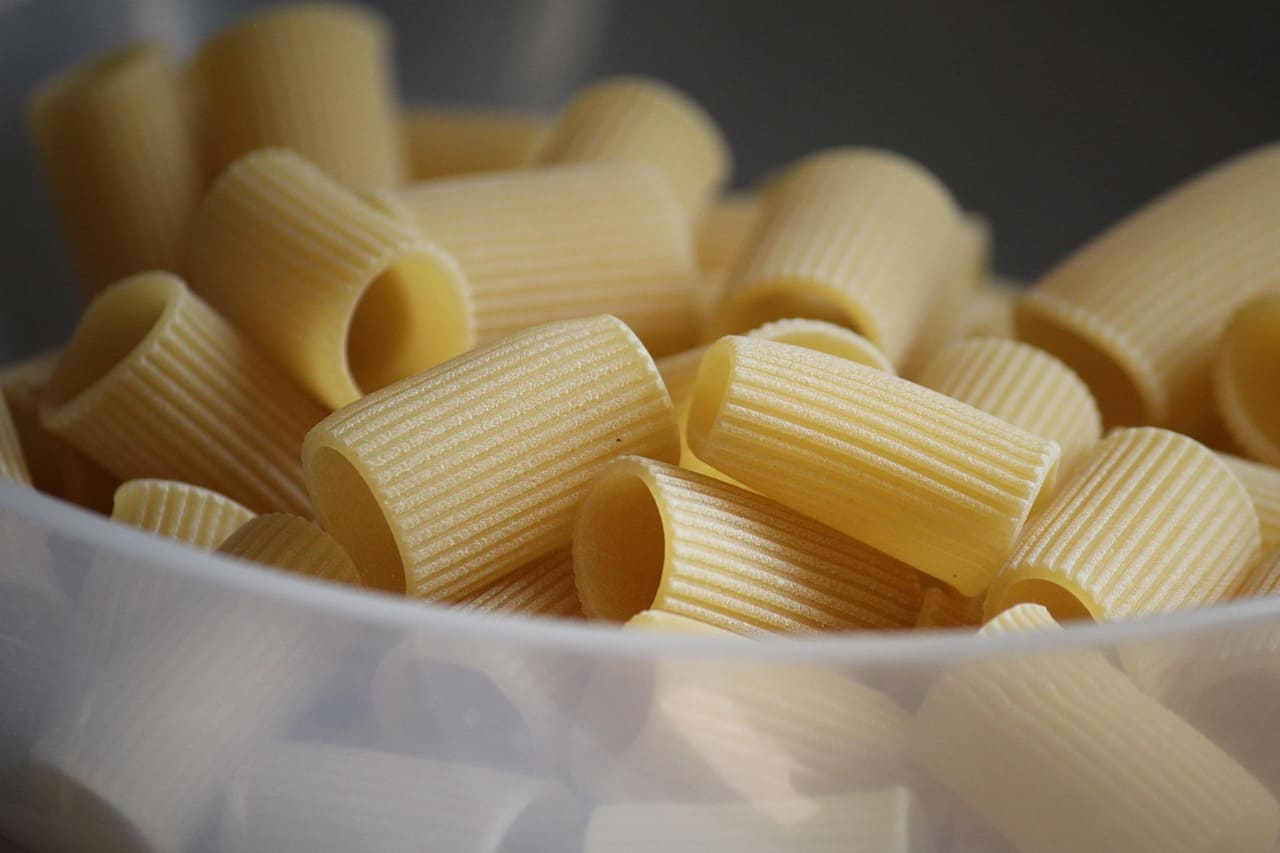
Rigatoni is the pasta you choose when you want dinner to be hearty, saucy, and satisfying. Its wide tubes and deep ridges are designed to catch thick sauces, hold melty cheese, and stand up to baking without turning soft or sad. If you’ve ever had a bowl where every bite feels loaded—sauce tucked inside the pasta, cheese clinging to the ridges, bits of meat or vegetables caught in the curves—that’s rigatoni doing its job. It’s a weeknight staple that can also feel like a “special” pasta when you dress it up with creamy vodka sauce or bake it into a bubbling casserole. In this Second Pasta guide, we’ll break down what makes rigatoni pasta unique, how to cook it for the best texture, and how to build favorites like baked rigatoni and spicy vodka-style bowls that taste restaurant-worthy.
What Makes Rigatoni Pasta Different
Rigatoni pasta is a large, short tube with pronounced ridges. Those ridges matter: they grab sauce and help it stay attached rather than sliding off. The wide opening is the other advantage—it catches chunky ingredients and holds pockets of sauce, so your forkful tastes complete.
Rigatoni is also sturdier than many shapes, which is why it’s a favorite for baked dishes and thick sauces. You can simmer it briefly in sauce, bake it, and reheat it, and it still holds its structure.
How to Cook Rigatoni for the Perfect Bite
Rigatoni is at its best when it’s al dente. Because it’s thick, it takes longer to cook than smaller shapes, and it can go from firm to too-soft if you walk away.
A reliable method:
- Boil in generously salted water.
- Stir early so tubes don’t stick.
- Taste-test 2 minutes before package time.
- Reserve a cup of pasta water.
- Drain and toss into sauce quickly.
If you’re making baked rigatoni, undercook it slightly. The pasta will continue to soften as it bakes, and that small adjustment keeps the final dish from turning mushy.
Baked Rigatoni: The Crowd-Pleasing Classic
Baked rigatoni is the ultimate comfort dish because it combines three things rigatoni does best: holding sauce, trapping cheese, and standing up to heat. A great baked rigatoni should be saucy, cheesy, and structured—scoopable, but not soupy.
A simple layering approach for baked pasta rigatoni:
- Coat the bottom of a baking dish with sauce.
- Toss cooked rigatoni with sauce and some cheese.
- Layer half the pasta, add dollops of ricotta (optional), then more cheese.
- Add remaining pasta and finish with mozzarella and parmesan.
- Bake covered to heat through, then uncover to brown the top.
The top layer is where magic happens: browned cheese, crisp edges, and those little crunchy bits everyone wants.
Spicy Rigatoni Vodka: Creamy Heat With Big Flavor
Spicy rigatoni vodka has become a modern favorite because it’s rich, tangy, and just hot enough to keep you coming back for another bite. The sauce typically combines tomato with a creamy finish and a hit of heat from chili flakes or spicy paste. Rigatoni is a perfect match because the sauce clings to the ridges and fills the tubes.
To make spicy rigatoni vodka feel balanced:
- Keep the heat warm and steady, not overpowering.
- Simmer the tomato base long enough to deepen flavor.
- Add cream gently at the end for smoothness.
- Use pasta water to emulsify and coat every tube.
When done right, each bite tastes creamy, spicy, and savory all at once—exactly what rigatoni was made for.
Mezzirigatoni: The Smaller Tube With the Same Superpower
Mezzirigatoni is essentially a shorter version of rigatoni. It keeps the ridges and tube shape but offers a slightly smaller bite. That makes it great for dishes where you want the sauce-to-pasta ratio to feel extra even, or when you’re pairing it with finer ingredients like small sausage crumbles or finely chopped vegetables.
Mezzirigatoni also works beautifully in baked dishes because it packs neatly into a casserole while still catching sauce and cheese in every groove.
Best Sauces and Add-Ins for Rigatoni
Rigatoni is a “big sauce” pasta. It loves sauces with texture and weight:
- Meat ragù or sausage sauce
- Roasted vegetable tomato sauce
- Creamy tomato sauces like vodka style
- Cheesy sauces and baked casseroles
It’s also a great canvas for add-ins that can tuck into the tubes:
- Crumbled sausage or ground meat
- Mushrooms and onions
- Roasted peppers
- Spinach or kale stirred in at the end
Because the tubes are wide, rigatoni can handle chunky ingredients without feeling awkward or uneven.
Rigatoni and Orecchiette for Different Textures
Rigatoni is all about bold structure—thick tubes, ridges, and big sauce. Orecchiette brings a different kind of texture: small “cups” that scoop sauce and catch tiny ingredients like crumbles of sausage or bits of broccoli. If you’re choosing between them, think about the bite you want. Rigatoni delivers hearty, sauce-filled mouthfuls and is ideal for baking. Orecchiette gives you a more textured, scoopable bite that highlights smaller ingredients. Both are excellent, and keeping both in your pantry gives you two very different ways to turn the same sauce into a totally different dinner.
Conclusion
Rigatoni pasta is built for comfort: ridges that hold sauce, tubes that trap flavor, and a sturdy shape that shines in both creamy bowls and baked casseroles. Whether you’re making a bubbling tray of baked rigatoni, leaning into the modern favorite of spicy rigatoni vodka, or trying mezzirigatoni for a slightly smaller bite with the same sauce-catching power, rigatoni delivers a satisfying forkful every time. And when you want a different kind of texture that scoops up smaller ingredients, orecchiette is the perfect companion in your pasta rotation. With rigatoni on hand, hearty pasta nights are always within reach.