
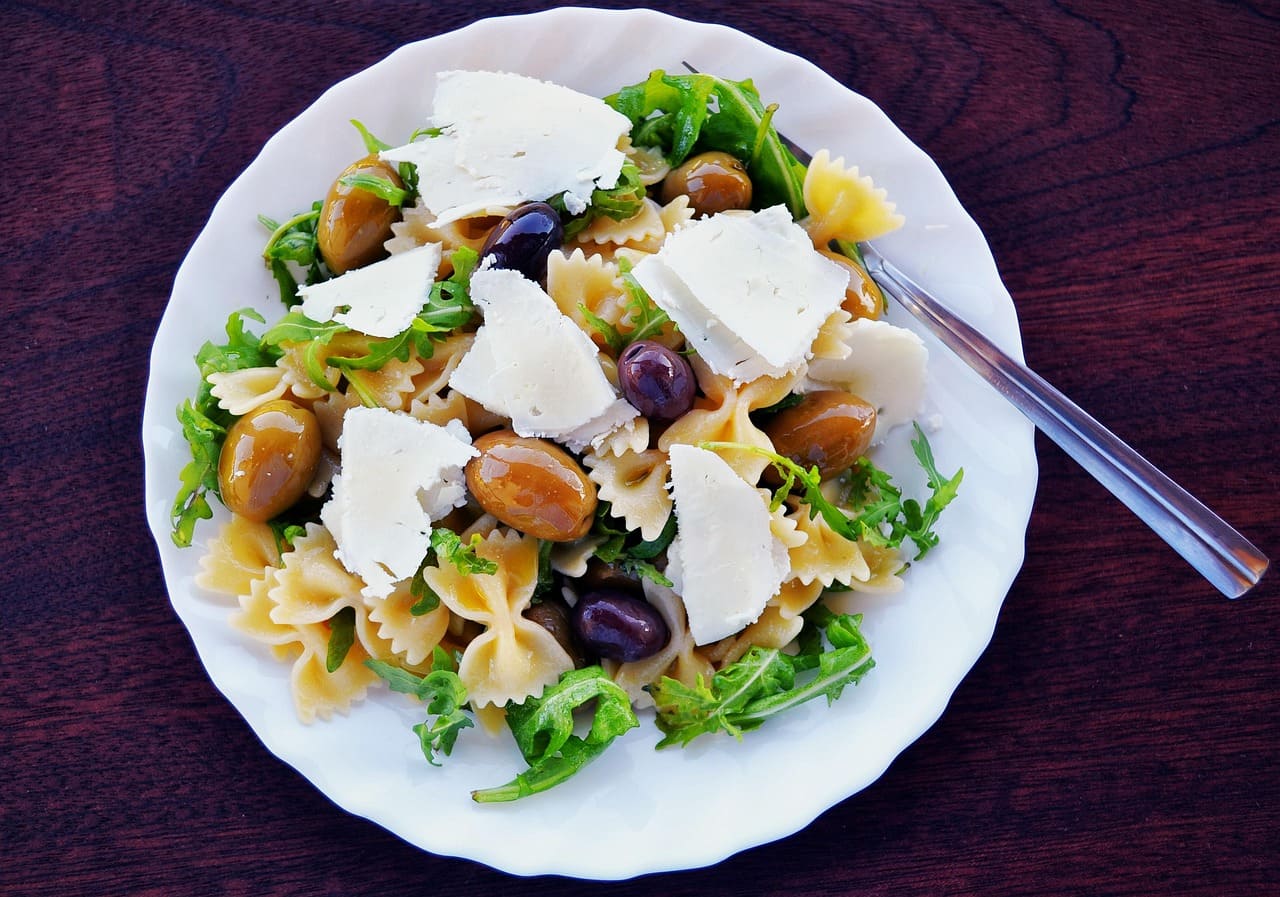
Pasta salad is one of the most reliable dishes you can bring to a gathering—or keep in your fridge for easy meals all week. It’s cool, colorful, and endlessly customizable, which is why it fits everything from summer cookouts to weekday lunches. The best pasta salad isn’t just pasta plus dressing; it’s a balance of textures and flavors: tender noodles, crunchy vegetables, something salty and savory, and a dressing that coats without drowning. Whether you prefer a tangy vinaigrette style or a creamy picnic classic, the beauty of this dish is how it adapts to what you have on hand. In this Second Pasta guide, we’ll cover how to build a pasta salad dish that stays fresh, holds flavor, and tastes even better after it chills.
What Makes a Great Pasta Salad Dish
A successful pasta salad dish is all about structure. The pasta should be cooked al dente so it stays firm after chilling. The mix-ins should be cut small enough to distribute evenly, and the dressing should be bold enough to season the pasta once it cools (cold food tastes less salty and less intense than hot food).
Think in layers:
- Base: pasta shape with good sauce-grabbing texture
- Crunch: vegetables, nuts, seeds, or crisped ingredients
- Salt/umami: cheese, olives, cured meat, or pickled elements
- Freshness: herbs, lemon, or bright vegetables
- Dressing: vinaigrette or creamy blend that coats every bite
This is how “pasta and salad” becomes a dish that feels complete rather than a side that fades into the background.
Choosing the Right Pasta Shape
Short shapes are usually best because they’re easy to eat cold and they hold dressing well. Spirals, shells, and short tubes are classic choices. Some people love salad macaroni pasta because macaroni is small, familiar, and perfect for creamy styles. If you’re making a salad with macaroni, the key is to keep it firm and to make sure the dressing is well-seasoned.
For vinaigrette-style salads, shapes with ridges or twists hold flavor beautifully. For creamy salads, smaller shapes like macaroni make it easy to get a little bit of everything in each spoonful.
Cooking Pasta for Salad: The Most Important Step
Overcooked pasta becomes soft and sad once it chills. Cook your pasta just to al dente—slightly firm in the center. Then drain and cool it so it stops cooking.
A simple method:
- Salt the boiling water well so the pasta tastes seasoned.
- Cook al dente (taste-test early).
- Drain thoroughly.
- Rinse quickly with cool water if you want to stop cooking fast, then drain again well.
Some people avoid rinsing, but for cold pasta salads, a quick rinse can help prevent sticking and cool the pasta quickly. The key is draining well so you don’t water down your dressing.
Dressing Styles: Vinaigrette vs Creamy
Your dressing sets the tone.
Vinaigrette style:
Light, bright, and great for warm-weather meals. Use olive oil, vinegar (or lemon), salt, pepper, and herbs. Add a touch of mustard or honey if you want a more balanced flavor.
Creamy style:
Classic picnic vibe and especially popular with macaroni. A creamy dressing can be mayo-based or yogurt-based, usually with vinegar, mustard, salt, and a bit of sweetness.
No matter which style you choose, dress the pasta while it’s slightly warm if possible. Warm pasta absorbs flavor better, which helps the final salad taste more seasoned once it’s chilled.
Mix-Ins That Keep Every Bite Interesting
The best pasta salad has contrast—soft pasta plus crunchy vegetables and pops of salt. Great mix-ins include:
- Cucumbers, bell peppers, celery, red onion
- Cherry tomatoes (add close to serving so they stay fresh)
- Olives or capers for briny bite
- Cheese cubes or crumbles (feta, mozzarella, cheddar)
- Herbs like basil, parsley, or dill
- Cured meats like salami or pepperoni (optional)
- Pickled onions or banana peppers for tang
If you want a “salad for pasta” that feels like a full meal, add a protein like grilled chicken, chickpeas, or shrimp. That turns the dish into lunch-ready portions that hold up well in the fridge.
How to Keep Pasta Salad From Drying Out
Pasta absorbs dressing as it sits. This is why pasta salad often tastes better on day two—but it can also dry out. The fix is easy: reserve a little dressing and add it right before serving. Another trick is to add juicy ingredients like cucumbers or tomatoes (close to serving) to keep everything fresh and bright.
If you’re doing a creamy style, a spoonful of extra mayo or yogurt with a splash of vinegar can revive the texture without making it heavy.
Pasta Salad and Rigatoni for Different Occasions
Pasta salad is made for chilling, sharing, and eating cold or room temperature. Rigatoni is made for hearty hot dishes—thick sauces, baked casseroles, and cozy bowls that need a sturdy noodle. But they do connect in a helpful way: if you’re already prepping ingredients like roasted vegetables, chopped herbs, or a simple vinaigrette for pasta salad, those same components can become a fast topping for rigatoni on another night. Pasta shapes change the mood, but the flavor-building skills carry across your whole pasta rotation.
Conclusion
Pasta salad is a dish that earns its popularity: it’s easy, flexible, and consistently crowd-pleasing. Whether you’re making a classic salad macaroni pasta for picnics, building a bright vinaigrette bowl to highlight fresh vegetables, or turning pasta and salad into a meal-prep lunch with protein, the keys are the same—cook al dente, use bold dressing, and balance crunch, salt, and freshness. And while rigatoni shines in hot, hearty dinners, pasta salad owns the make-ahead spotlight. Keep a few basics stocked, and you’ll always have a pasta salad dish ready to serve, share, and enjoy.