
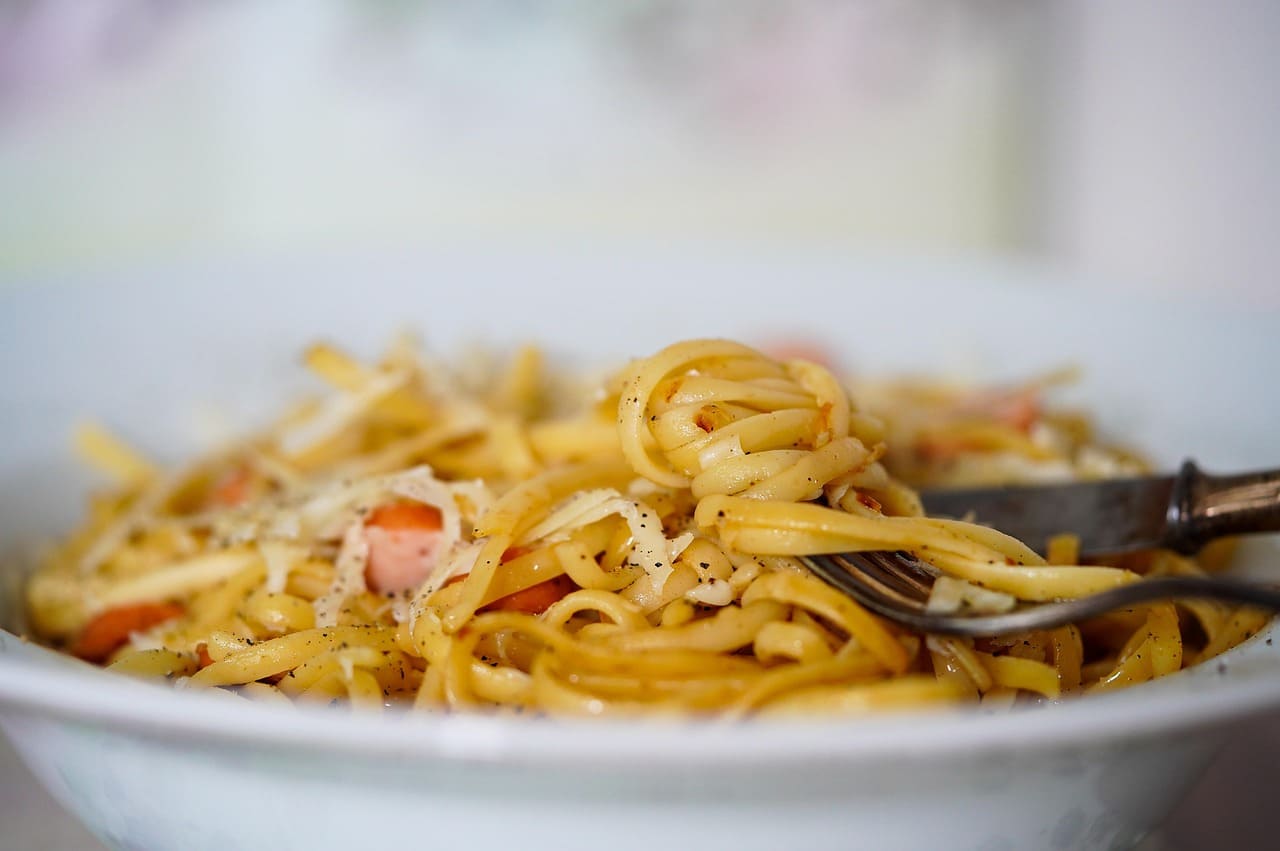
Linguine is one of those pastas that always feels like a good idea. It’s long and elegant like spaghetti, but slightly flattened, which gives it a smoother, silkier bite and a better grip on sauce. Linguine is often the pasta you reach for when you want dinner to feel light yet satisfying—something that twirls easily on a fork and pairs beautifully with seafood, herbs, and bright citrus flavors. It can be dressed up for a dinner-party vibe or kept simple for a quick weeknight bowl. Because it’s versatile and familiar, linguine food shows up in countless kitchens as a reliable foundation for everything from garlicky olive oil sauces to creamy seafood dishes. In this Second Pasta guide, we’ll explore what makes linguine pasta unique, how to cook it well, and how to build dishes—like prawn linguine—that feel fresh, balanced, and restaurant-worthy without being complicated.
What Linguine Is and Why the Shape Works
Linguine pasta is a long noodle, similar in length to spaghetti but with a slightly flat shape. That small difference matters. The flattened surface increases contact with sauce, helping it cling more evenly than round noodles. It also gives linguine a subtly more “luxurious” texture—less springy than spaghetti, more silky and smooth.
You may see linguine spelled as linguini in casual writing. While linguini isn’t the traditional spelling, it’s commonly used and usually refers to the same pasta shape. You might also hear people say linguines when talking about multiple styles or packages of linguine. However it’s written, the idea is consistent: a long, flat strand built for sauces that coat rather than pool.
How to Cook Linguine So It Stays Silky, Not Sticky
Because linguine is long, it can clump if it’s not stirred early or if it sits after draining. The best approach is to cook it al dente and toss it into sauce quickly.
Simple cooking tips:
- Use a large pot and plenty of salted water.
- Stir right after adding the pasta and again after a minute.
- Taste-test before the package time ends.
- Reserve a cup of pasta water before draining.
- Transfer pasta into sauce rather than pouring sauce over pasta.
That reserved pasta water is the finishing touch. A splash helps your sauce cling and creates a glossy coating that makes the bowl taste cohesive, not dry.
Classic Linguine Food Pairings
Linguine shines with sauces that are smooth, silky, or lightly chunky. It’s ideal for:
- Garlic and olive oil with herbs
- Lemon-butter sauces
- Light tomato sauces
- Creamy sauces that coat evenly
- Seafood sauces with small pieces
The flatter noodle makes every bite feel balanced. It’s not trying to be the star, but it elevates what you put on it.
Prawn Linguine: Bright, Savory, and Perfectly Balanced
Prawn linguine is one of the most satisfying ways to use this pasta because prawns bring richness without heaviness. The sweetness of seafood pairs naturally with garlic, lemon, chili flakes, and parsley. And linguine’s shape is perfect for carrying that glossy sauce across every strand.
A reliable prawn linguine blueprint:
- Sauté garlic gently in olive oil (don’t brown it too hard).
- Add prawns and cook quickly until just opaque.
- Add a splash of broth or a spoonful of pasta water to create sauce.
- Finish with lemon juice, zest, and chopped parsley.
- Toss in the linguine and coat thoroughly.
If you want a slightly creamier version, add a small amount of cream or a knob of butter at the end. Keep it glossy, not thick, so the seafood stays the focus.
Keeping Linguine Light: Building Flavor Without Weight
Because linguine often leans “fresh and bright,” you can build big flavor without making the dish heavy. A few easy upgrades:
- Add capers or olives for salty pops.
- Stir in cherry tomatoes for sweetness.
- Use chili flakes for gentle heat.
- Finish with lemon zest to brighten everything.
- Add toasted breadcrumbs for crunch.
Even a simple bowl becomes more interesting when you add contrast: silky noodles, crisp toppings, bright acidity, and a savory base.
Common Mistakes and How to Avoid Them
A few small missteps can dull linguine’s strengths:
- Overcooking: makes the strands soft and clumpy.
- Draining too thoroughly: linguine needs a little moisture to stay silky.
- Skipping pasta water: sauces cling better when emulsified.
- Sauce too thick: can overwhelm the noodle and make it feel heavy.
Linguine is at its best when the sauce coats like a sheen, not a blanket.
Linguine vs Bucatini
If you love long pasta, it helps to know when to use linguine and when to use bucatini. Linguine is sleek and flat, perfect for smooth sauces, seafood, and light tomato-based dishes where you want the sauce to coat the strand evenly. Bucatini is round and hollow, which means it holds sauce inside the noodle as well as outside—making it ideal for richer, more assertive sauces that you want in every bite. Think of linguine as bright and elegant, and bucatini as bold and sauce-loving. Both are excellent, but linguine pasta is often the better pick when you want a lighter finish and a clean, twirlable bite.
Conclusion
Linguine is a timeless pasta because it’s simple, reliable, and quietly elegant. Whether you call it linguine pasta or use the common spelling linguini, the appeal is the same: a long, slightly flattened noodle that turns everyday sauces into something polished. From garlicky olive oil bowls to fresh seafood dinners like prawn linguine, linguine food shines when the sauce is glossy, balanced, and bright. Cook it al dente, save your pasta water, and toss it directly into sauce for the best texture. And when you want a different long-pasta experience—one that traps sauce inside every noodle—bucatini is a perfect companion in your pantry. With linguine in your rotation, pasta night stays light, flavorful, and consistently satisfying.