
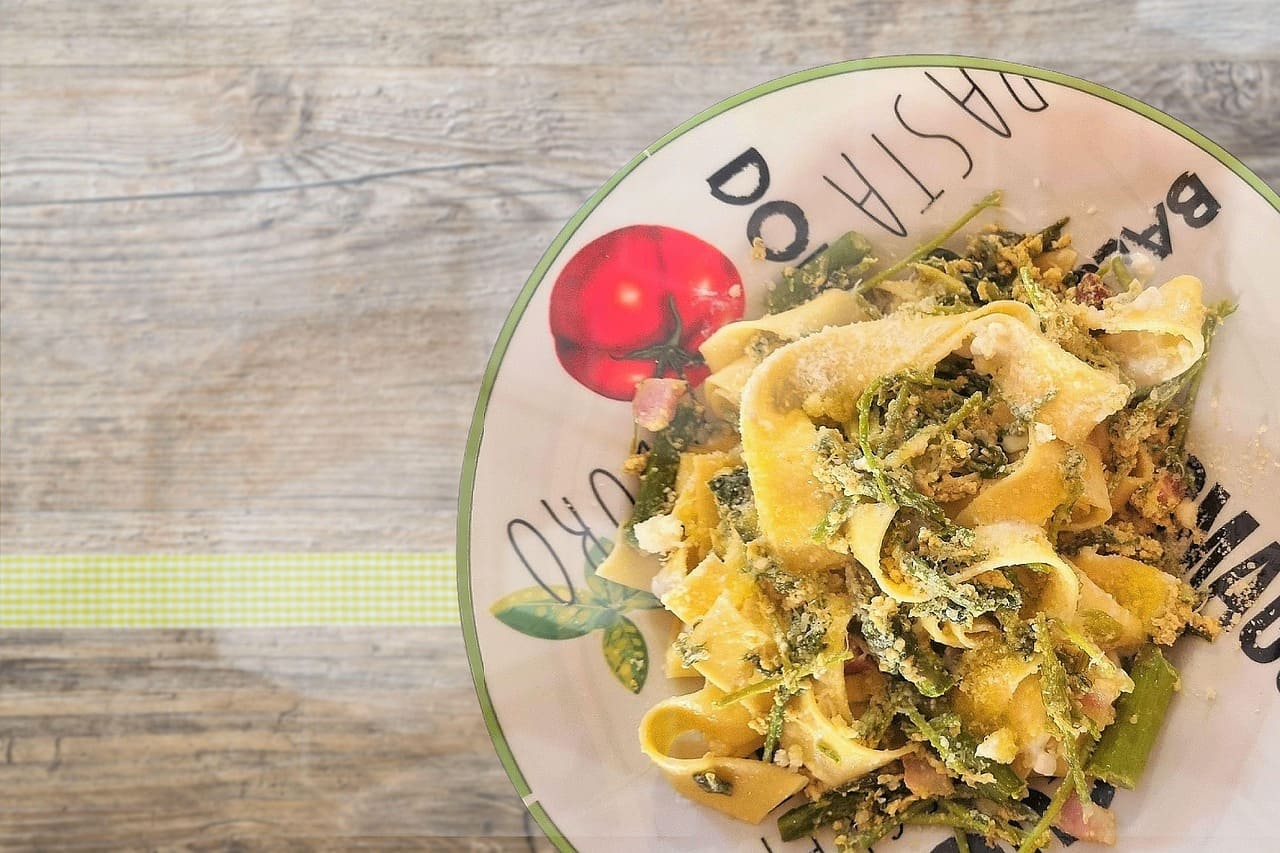
Pappardelle is the pasta you choose when you want dinner to feel dramatic in the best way. These wide ribbon noodles are bold, silky, and satisfying—more like edible comfort blankets than simple strands. Because they’re wider than most long pastas, pappardelle holds sauce differently: it doesn’t just get coated, it gets hugged. That makes it perfect for rich, hearty sauces that need something sturdy and substantial. Even with a simple sauce, the shape makes the bowl feel special, like you ordered something indulgent at a favorite restaurant. In this Second Pasta guide, we’ll explore what makes pappardelle pasta unique, how to cook it without clumping, and how to build meals—like mushroom pappardelle—that make the most of its luxurious bite.
What Pappardelle Pasta Is and Why the Shape Matters
Pappardelle pasta is a long, flat ribbon noodle that’s wider than tagliatelle and much wider than linguine. The width creates a large surface area, which means sauces cling and spread across the noodle rather than pooling at the bottom. It also changes the texture of each bite: pappardelle feels hearty and soft with a gentle chew, especially when the pasta is cooked properly and tossed in sauce while still hot.
You may see the spelling pappardella in casual writing. While it’s not the standard form, it’s often used when people are describing the same wide ribbon pasta they love. No matter how it’s spelled in conversation, the defining feature is the same: broad noodles designed for bold sauces.
Cooking Pappardelle Noodles Without Sticking
Because pappardelle noodles are wide and flat, they can stick together if you don’t give them space. The solution isn’t complicated—it’s just a little attention early in the boil.
Tips for perfect pappardelle:
- Use a large pot with plenty of water so the ribbons can move.
- Salt the water well for flavor.
- Stir gently during the first minute, then again occasionally.
- Cook to al dente so the noodles hold their shape in sauce.
- Reserve a cup of pasta water before draining.
That reserved pasta water is especially useful for pappardelle pasta noodles because the sauce needs to coat a large surface area. A splash of pasta water helps emulsify butter, oil, or cream into a smooth coating that clings instead of sliding off.
Why Pappardelle Loves Hearty Sauces
Pappardelle is often paired with rich sauces because the noodle can handle it. Thin, watery sauces can feel lost on such a bold shape, but thicker sauces—ragù, creamy mushroom sauces, slow-simmered tomato sauces—feel balanced and luxurious.
A good mental rule: the wider the noodle, the more it benefits from a sauce with body. That doesn’t mean heavy in calories—it means thick enough to stay on the noodle. Even a simple olive oil sauce works better when you add texture like sautéed garlic, herbs, and grated cheese.
Mushroom Pappardelle: A Perfect Match of Earthy and Rich
Mushroom pappardelle is a classic because mushrooms bring deep, savory flavor and a meaty texture that complements the broad noodle. The sauce can be creamy or simply glossy, but either way, mushrooms provide that “restaurant comfort” vibe without needing a lot of ingredients.
A simple mushroom pappardelle approach:
- Sauté mushrooms until they brown and release moisture.
- Add garlic and a pinch of salt.
- Stir in a little butter or olive oil for richness.
- Add a splash of broth or pasta water to loosen the pan.
- Toss with hot pappardelle and finish with parmesan and herbs.
If you want more depth, add a little cream, a spoonful of ricotta, or a sprinkle of thyme. The goal is a sauce that coats the ribbons and lets the mushrooms nestle into folds of pasta.
Building a Great Bowl: Texture and Balance
Pappardelle is rich by nature, so balancing it with contrast makes it even better. Think:
- Brightness: lemon zest, chopped parsley, a tiny splash of vinegar
- Crunch: toasted breadcrumbs, nuts, or crisped pancetta bits
- Heat: red pepper flakes or cracked black pepper
- Freshness: arugula stirred in at the end so it wilts lightly
Those small touches keep pappardelle pasta noodles from tasting heavy, even when the sauce is creamy.
Storing and Reheating Pappardelle
Because pappardelle is wide, it can clump as it cools. If you’re storing leftovers, toss the pasta with enough sauce so it stays coated, and reheat gently with a splash of water or broth. That moisture helps loosen the ribbons without breaking them.
If you’re planning ahead, you can also store sauce and noodles separately. Reheat the sauce first, then toss the pasta in so it warms and gets coated again.
Pappardelle vs Linguine
If you’re choosing between long pastas, linguine is a slimmer, more streamlined noodle that works beautifully with lighter sauces—seafood, herb oils, and simple tomato sauces—because it twirls easily and doesn’t demand a thick coating. Pappardelle, on the other hand, is bold and wide, built for sauces with more body. Think of linguine as elegant and quick, and pappardelle as cozy and luxurious. Both are great, but pappardelle pasta shines when you want a sauce like mushrooms, ragù, or cream to feel like it’s part of every bite.
Conclusion
Pappardelle is a pasta that turns dinner into an experience. With its wide ribbons and satisfying chew, pappardelle pasta is made for sauces that can cling, coat, and settle into folds of noodles. Whether you’re calling it pappardella in casual conversation or shopping for pappardelle noodles and pappardelle pasta noodles specifically, the goal is the same: a bowl that feels rich, cozy, and intentionally paired. From a simple, glossy sauce to a deeply flavorful mushroom pappardelle, this pasta rewards good technique—space in the pot, a bit of pasta water, and a sauce with body. And when you want something lighter, linguine is a perfect counterpart, proving that pasta shape is one of the easiest ways to change the whole mood of a meal.