
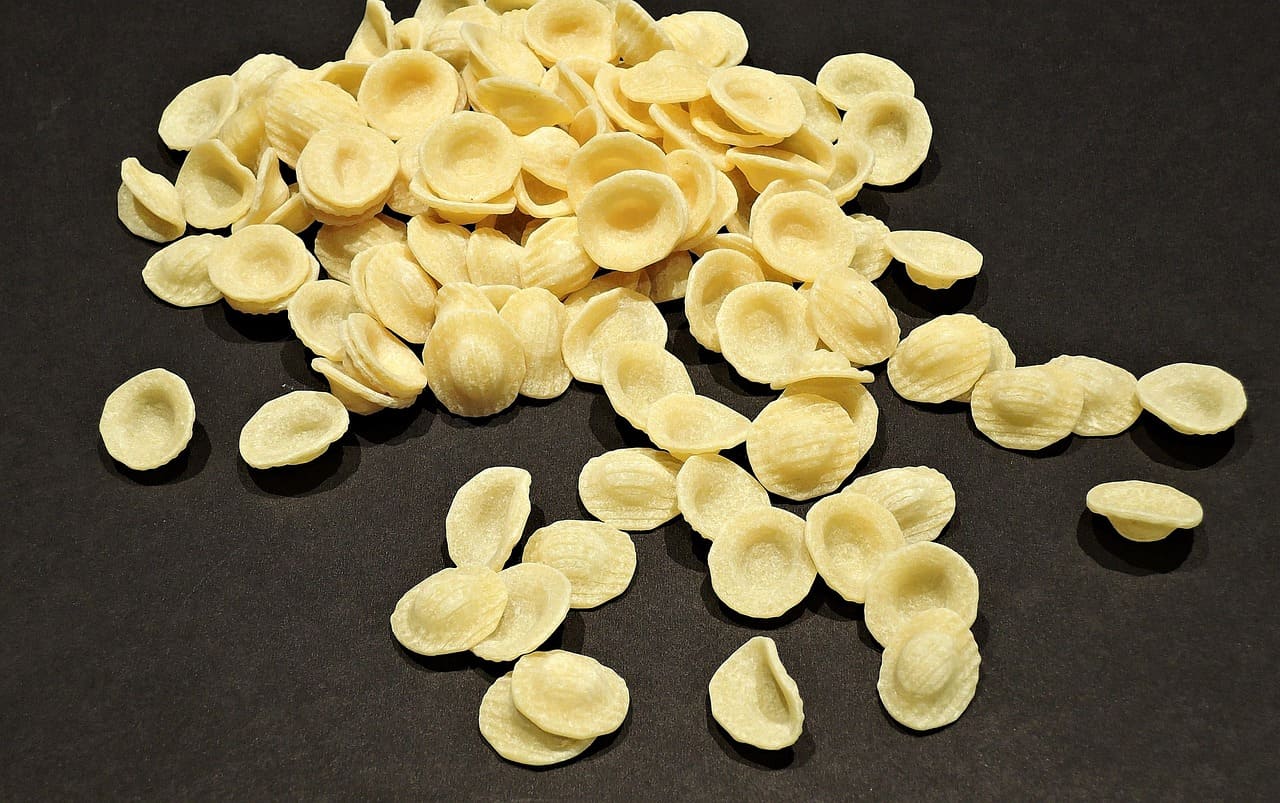
Orecchiette is one of those pasta shapes that instantly changes the way a dish eats. Instead of long strands you twirl, you get small, cupped pieces that scoop up sauce, trap little toppings, and deliver a satisfying chew. The name means “little ears,” and once you see the shape, you’ll never forget it—each piece looks like a tiny bowl ready to hold something delicious. That’s exactly why orecchiette works so well with chunky sauces, crumbled sausage, and quick pesto-style dinners. It’s also a pasta that feels rustic and special at the same time: simple ingredients, bold textures, and a look that’s charming without being fussy. In this Second Pasta guide, we’ll explore what makes orecchiette pasta unique, how to cook it well, and a few favorite pairings you can keep in your weekly rotation.
What Makes Orecchiette Different From Other Shapes
Most pasta is designed to either cling to sauce (like ribbons) or hold sauce inside (like tubes). Orecchiette does something else: it catches sauce and toppings in a little cup. That means every bite can include both pasta and the “good stuff”—crumbles of meat, bits of vegetables, grated cheese, or thick sauce.
You may see people misspell it as oracetti, but they’re usually talking about the same beloved shape. No matter how it’s spelled in conversation, the idea is consistent: a small, hearty pasta that turns simple ingredients into a textured, satisfying bowl.
Orecchiette also has a slightly thicker feel than some pastas, which helps it stand up to bold flavors. It doesn’t disappear under sauce; it holds its own.
How to Cook Orecchiette Pasta Perfectly
Because orecchiette is thicker and denser than many shapes, it can take a minute longer to cook. The goal is al dente: tender but still chewy.
A few tips that make a big difference:
- Use plenty of salted boiling water so the pasta moves freely.
- Stir early so the pieces don’t stick together.
- Taste-test near the end—don’t rely only on the timer.
- Save a cup of pasta water before draining.
That starchy pasta water is especially helpful with orecchiette. Since the shape holds sauce rather than coating evenly like long noodles, a splash of pasta water helps emulsify the sauce so it clings and pools into those little cups instead of sliding off.
The Classic Combo: Orecchiette Sausage and Greens
If you want a signature use for this shape, it’s orecchiette sausage. The salty, savory crumbles of sausage are the perfect size to nestle into the pasta’s bowl shape, and the richness balances beautifully with something green and slightly bitter, like broccoli rabe or kale.
A simple blueprint for orecchiette pasta sausage:
- Brown sausage in a skillet until crisp in spots.
- Add garlic and a pinch of chili flakes.
- Toss in blanched greens (or quick-sautéed greens).
- Add cooked orecchiette and a splash of pasta water.
- Finish with grated cheese and lemon zest.
That’s the magic of orecchiette: you don’t need a heavy sauce when the pasta itself is built to capture flavor. The result tastes layered and intentional, even though it’s quick.
Pesto Night: Orecchiette Pesto Done Right
Orecchiette pesto is another perfect match because pesto is thick and clingy, and the pasta’s shape grabs it in a way that feels generous. The trick is not to “cook” the pesto in a scorching pan. Instead, toss pesto with warm pasta and loosen it with a little pasta water to create a glossy sauce.
For a flavorful pesto bowl:
- Add roasted cherry tomatoes for sweetness
- Stir in a handful of arugula for peppery bite
- Top with toasted nuts or breadcrumbs for crunch
- Finish with lemon juice to brighten everything
Because each orecchiette piece becomes a little pesto cup, you get a pop of herb flavor in nearly every bite.
Sauce and Topping Ideas That Play to the Shape
Orecchiette shines with ingredients that are small enough to get caught in the “ear.” Think:
- Peas, corn, or chopped zucchini
- Crispy pancetta bits
- Sautéed mushrooms
- Crumbled feta or ricotta dollops
- Toasted breadcrumbs with garlic and olive oil
Tomato sauces also work, especially if they’re chunky. A smooth sauce can still be delicious, but orecchiette really comes alive when it can trap pieces of flavor instead of just being coated.
When to Use Orecchiette vs Penne
If you’re building your pantry, it helps to know when orecchiette is the better choice than penne. Penne is a tube pasta that’s great for smooth, creamy sauces and baked dishes because sauce flows into the tubes and coats the outer ridges. Orecchiette, on the other hand, is better when you want toppings and sauce bits to be “scooped” into each bite—like sausage crumbles, chopped greens, or chunky vegetables.
In other words: choose penne when you want a steady, saucy bite throughout. Choose orecchiette when you want texture and little bursts of ingredients tucked into the pasta itself.
Conclusion
Orecchiette pasta is proof that shape really matters. Those little “ears” turn simple ingredients into a dish that feels textured, hearty, and full of flavor in every bite. Whether you’re making a classic orecchiette sausage skillet, leaning into a crowd-pleasing orecchiette pasta sausage dinner, or keeping things fresh with orecchiette pesto, this pasta rewards bold ingredients and smart finishing touches like pasta water and a bright squeeze of lemon. Even if someone calls it oracetti by mistake, the charm remains the same: a rustic, scoopable pasta that belongs in any rotation—right alongside dependable pantry staples like penne.