
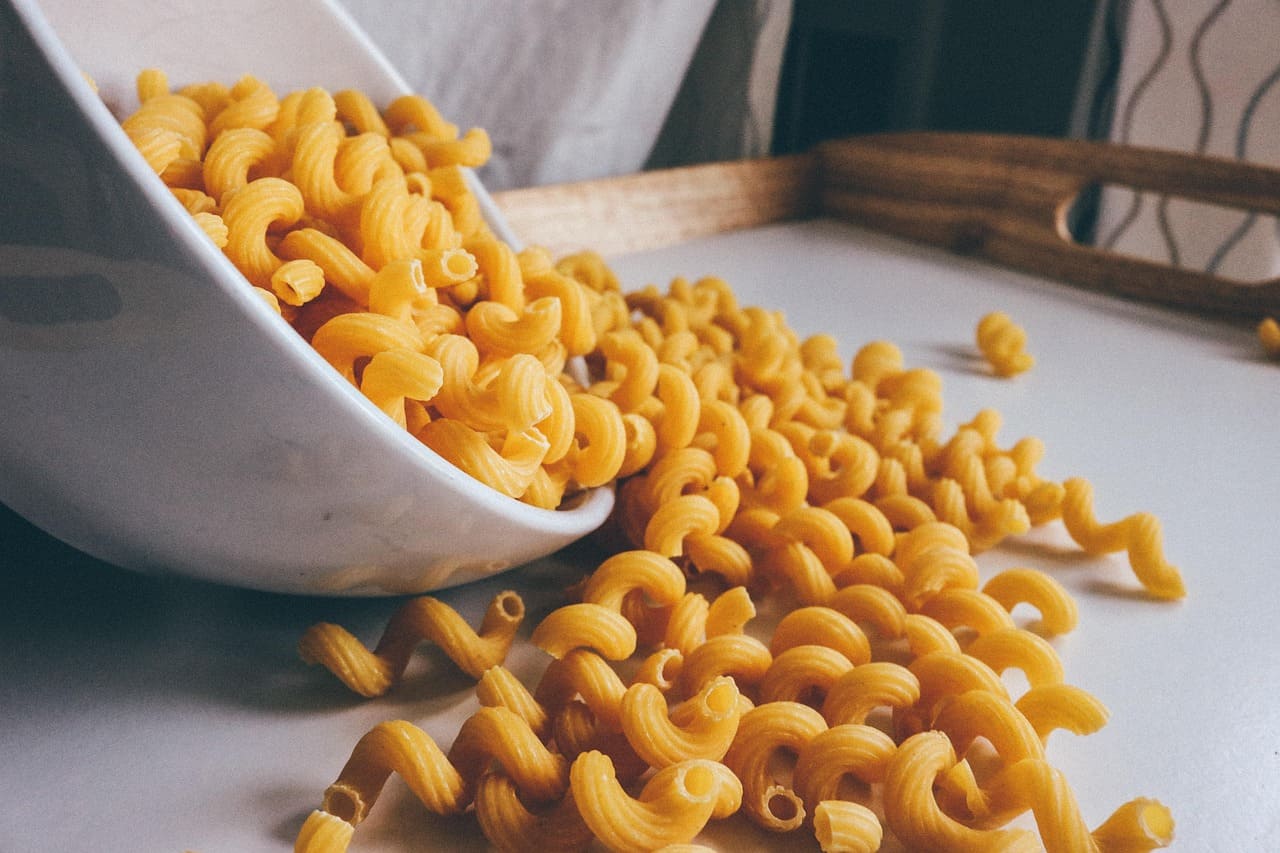
Pasta is one of the most flexible comfort foods on the planet. It can be a quick weeknight dinner, a slow Sunday project, or a party dish that feeds a crowd without drama. What makes pasta so lovable isn’t just the flavor—it’s the variety. Different shapes hold sauce differently, cook at different speeds, and create totally different eating experiences. A silky ribbon pasta can feel elegant with a simple butter sauce, while a ridged tube can stand up to thick, hearty ragù. Once you understand a few basics about shape and sauce, pasta becomes less of a recipe and more of a toolkit. In this Second Pasta guide, we’ll walk through popular shapes, how to pair them, and how to build pasta meals that taste intentional—even when you’re cooking on autopilot.
Long Pastas and Ribbons: When You Want Elegant Twirls
Long pastas are all about flow. They wrap, swirl, and carry sauce in a smooth, even way, making them perfect for lighter sauces and rich finishes that cling rather than sink. Tagliatelle is a classic ribbon with enough width to hold creamy sauces or ragù without feeling heavy. If you want something even more dramatic, pappardelle is wider and more luxurious—great for slow-cooked sauces, mushrooms, and anything you want to feel special.
For thinner options, linquine brings a sleek, slightly flattened strand that works beautifully with seafood, lemony olive oil sauces, or creamy pesto-style dishes. Bucatini looks like spaghetti but with a hollow center, which means it holds sauce inside as well as outside. That “straw” effect makes each bite extra saucy—perfect for peppery tomato sauces or rich, cheesy preparations.
Short Shapes and Tubes: Built for Big Sauces and Baked Dinners
Short pasta is the everyday workhorse. It’s easy to cook, easy to portion, and excellent at catching chunky sauces. Penne is a go-to because its tube shape and angled ends scoop sauce nicely, whether you’re making a creamy skillet dinner or a bold marinara. Rigatoni is bigger and ridged, built for thick sauces that need something sturdy—think meat sauce, roasted vegetables, or creamy baked casseroles.
Ziti is another tube pasta that’s often associated with baked dishes. It’s smooth and simple, making it a great base for layered casseroles where cheese and sauce do most of the talking. Manicotti takes the “tube pasta” idea to the next level: it’s made for stuffing. Fill it with ricotta, spinach, or meat, cover it in sauce, and bake it until bubbly for a meal that feels like you really planned ahead—even if you didn’t.
If you want a playful shape, fusili (often spelled “fusilli”) is a spiral that grabs sauce in all its ridges and curves. It’s fantastic for thick pesto, creamy sauces, and quick pantry meals because the spiral shape makes simple sauces taste more generous.
Pasta With Personality: Stuffed and Chewy Favorites
Some shapes bring instant charm. Orecchiette—little “ears”—is famous for catching bits of sauce and small ingredients like peas, sausage crumbles, or chopped broccoli. It’s a great choice when you want a bowl that feels textured and interesting, not just sauced. Tortellini adds another dimension because it’s stuffed pasta, often filled with cheese or meat. It can be served with a simple butter sauce, tossed into broth for a cozy soup, or baked under sauce and cheese for a shortcut “special occasion” dinner.
Pasta Alternatives and Crowd-Friendly Dishes
Not every pasta night has to be traditional noodles. Spaghetti squash is a popular alternative that turns into tender strands when roasted and scraped with a fork. It’s lighter than pasta but still satisfying, especially when paired with bold sauces like marinara, garlicky butter, or creamy herb blends. It’s also a great base if you want a big bowl of comfort without the heaviness of a large noodle portion.
For gatherings, pasta salad is the MVP. It’s easy to make ahead, travels well, and tastes even better after it sits and absorbs flavor. Short shapes like fusili, penne, or even orecchiette work well because they hold dressing and mix-ins. Add crunchy vegetables, a tangy vinaigrette, herbs, and a little cheese, and you’ve got a dish that fits picnics, potlucks, and weekday lunches.
How to Pair Shape and Sauce Like You Know What You’re Doing
A simple rule: the thicker the sauce, the sturdier the pasta should be. Ridged and tubular shapes like rigatoni and penne hold chunky sauces and baked casseroles beautifully. Wide ribbons like pappardelle and tagliatelle love rich, silky sauces that coat rather than pool. Hollow noodles like bucatini are ideal when you want sauce in every bite. And playful shapes like orecchiette shine when the sauce includes small pieces that can nestle into the pasta.
Also: save some pasta water. That starchy water helps sauces cling and turns a good pasta dish into a great one.
Conclusion
Pasta becomes more fun—and more delicious—when you start thinking in shapes, not just recipes. Whether you’re twirling linquine on a fork, soaking up sauce with bucatini, baking ziti for a crowd, stuffing manicotti for a cozy dinner, or tossing orecchiette into a quick skillet meal, each shape brings its own advantage. Add hearty staples like penne and rigatoni, elegant ribbons like tagliatelle and pappardelle, playful spirals like fusili, and comfort favorites like tortellini, and you’ve got endless pasta nights ahead. Even spaghetti squash and a make-ahead pasta salad have a place in the rotation. Welcome to Second Pasta—where the second bowl is always the best idea.