
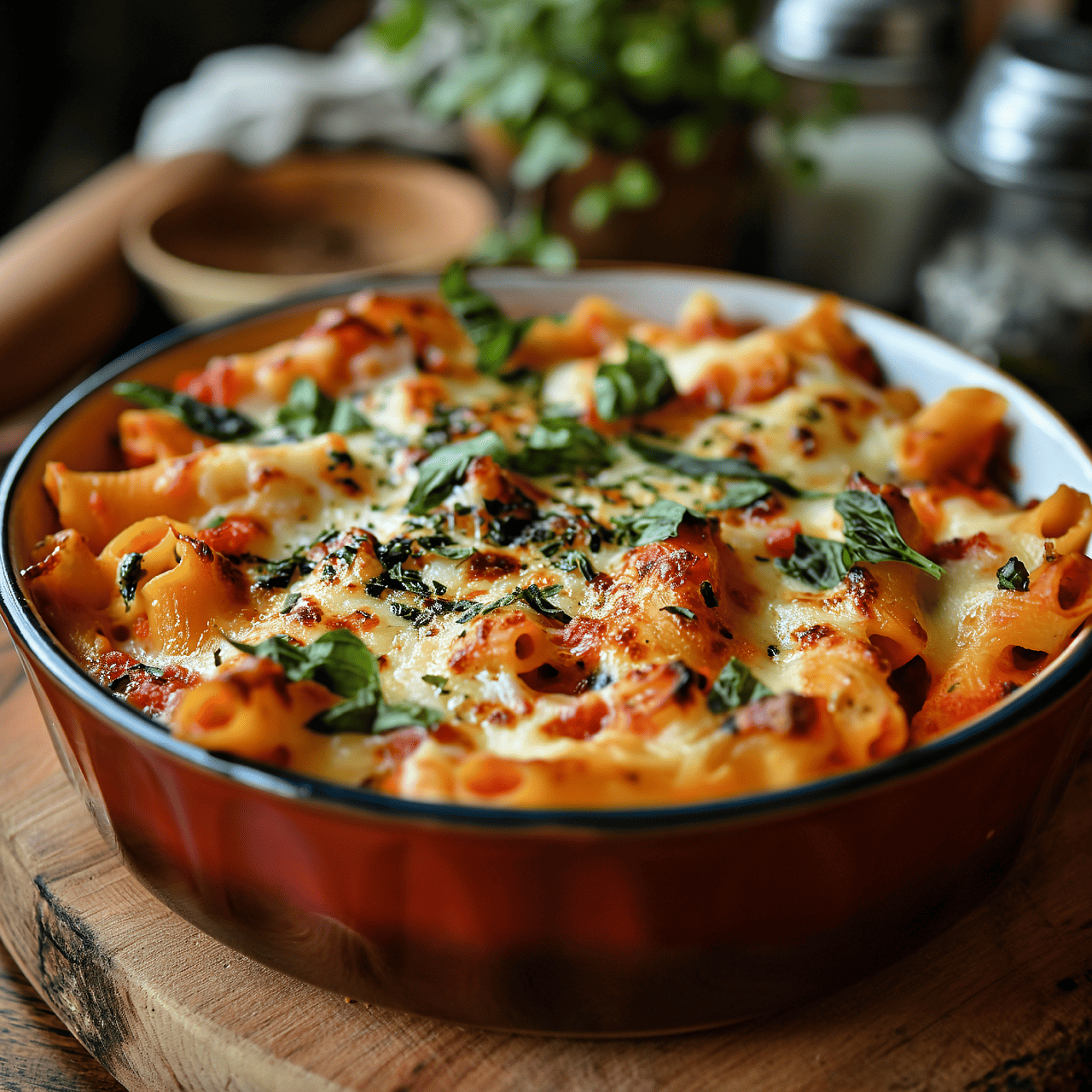
Ziti is comfort food with structure. It’s sturdy enough to hold thick sauce, simple enough for weeknights, and generous enough to feed a crowd without turning cooking into a project. When people say “ziti,” they usually picture a bubbling casserole with layers of sauce, cheese, and tender pasta—something you can scoop into bowls and watch disappear fast. But ziti is also flexible: you can keep it light and tomato-forward, make it meaty and hearty, or lean into creamy richness with ricotta. That adaptability is why ziti pasta is a staple for family dinners, potlucks, and meal prep. In this Second Pasta guide, we’ll walk through what makes ziti special, how to build a great ziti dish, and how to get the perfect balance of sauce, cheese, and texture—especially when you’re making baked ziti.
What Ziti Pasta Is and Why It Works So Well
Ziti pasta is a smooth, tube-shaped noodle, typically medium length, designed to carry sauce inside and out. Because it’s sturdy and straight, it layers beautifully in casseroles and holds up to baking without falling apart. It also reheats well, which makes it a favorite for leftovers.
When choosing pasta for ziti, the key is a tube shape that won’t collapse after simmering in sauce and baking in the oven. Ziti’s structure means it stays pleasantly firm and gives you that satisfying bite even after it’s been baked and reheated.
The Key to Perfect Baked Ziti Texture
The most common mistake with baked ziti is overcooking the pasta before it goes in the oven. Remember: it will keep cooking as it bakes. For the best texture, cook the pasta just shy of al dente—still slightly firm in the center—so it finishes perfectly in the casserole.
A simple technique:
- Salt your pasta water generously.
- Cook ziti 2 minutes less than the package instructions.
- Reserve a cup of pasta water before draining.
- Toss the pasta with sauce right away to prevent sticking.
That reserved pasta water is handy if your sauce needs loosening or if you want the casserole to stay creamy rather than dry.
Building a Great Ziti Dish: Sauce, Cheese, and Layers
A great ziti dish is all about balance. You want enough sauce to keep everything moist, enough cheese to make it comforting, and enough seasoning to keep it from tasting flat. Layering matters because you’re creating pockets of flavor, not just mixing everything into one uniform texture.
A reliable layering method:
- Spread a thin layer of sauce in the bottom of the baking dish.
- Add half the ziti mixed with sauce.
- Add dollops or a layer of ricotta mixture.
- Sprinkle mozzarella and parmesan.
- Repeat the layers.
- Finish with extra cheese on top for browning.
This approach creates creamy bites, saucy bites, and those golden cheesy edges people fight over.
Baked Ziti With Ricotta: Creamy, Tangy, and Extra Cozy
Baked ziti with ricotta is a classic because ricotta adds richness without making the dish heavy. It also creates that signature creamy layer that feels like lasagna’s easier cousin. For a flavorful ricotta mixture, combine ricotta with:
- A beaten egg (for structure)
- Grated parmesan (for salt and depth)
- A handful of chopped parsley or basil
- Salt and black pepper
The egg isn’t required, but it helps the ricotta set slightly so it stays creamy instead of watery. If you want a little extra zip, add lemon zest or a pinch of red pepper flakes.
Variations That Keep Ziti Interesting
Once you’ve mastered the base, you can change the vibe easily.
Hearty meat version:
Brown ground beef or Italian sausage and stir it into your sauce. This makes the dish more filling and adds savory depth.
Veggie-loaded version:
Sauté mushrooms, zucchini, spinach, or roasted peppers and mix them into the sauce. This adds texture and makes the casserole feel brighter.
Extra-cheesy version:
Add provolone for stretch or a small amount of fontina for melt. Keep parmesan for sharpness.
Spicy version:
Use chili flakes, spicy sausage, or a spicy marinara base for a little heat.
Ziti’s sturdy shape makes it forgiving—most add-ins work as long as you keep the sauce-to-pasta ratio generous.
Baking Tips for the Best Top and Edges
To get that perfect top, bake covered for the first portion so everything heats through evenly and stays moist. Then uncover at the end to brown the cheese.
A common schedule:
- Bake covered until hot and bubbling.
- Uncover for the final minutes to brown the top.
- Rest before serving so slices or scoops hold together better.
Resting matters more than people think. It allows the sauce and cheese to settle, so your first serving doesn’t slide apart.
Ziti vs Tagliatelle for Different Moods
Ziti is the champion of baked casseroles and crowd-friendly comfort, but tagliatelle is what you choose when you want something elegant and sauce-coated. Tagliatelle’s flat ribbons shine with silky ragù and creamy sauces that cling to the pasta’s surface, while ziti is designed to trap sauce inside its tubes and hold up to oven baking. If tagliatelle is a “twirl and savor” pasta, baked ziti is a “scoop and share” pasta—both delicious, just built for different moments.
Conclusion
Ziti earns its place as a pantry essential because it’s dependable, hearty, and made for comfort. Whether you’re choosing pasta for ziti for a quick weeknight casserole or planning a big tray of baked ziti for a gathering, the formula stays simple: slightly undercook the pasta, use plenty of sauce, layer thoughtfully, and bake until bubbling and golden. And if you want that extra creamy finish, baked ziti with ricotta delivers the kind of rich, cozy bite that makes people come back for seconds. Keep tagliatelle on hand for elegant ribbon-pasta nights, but when you want easy comfort that feeds everyone, ziti is the move.