
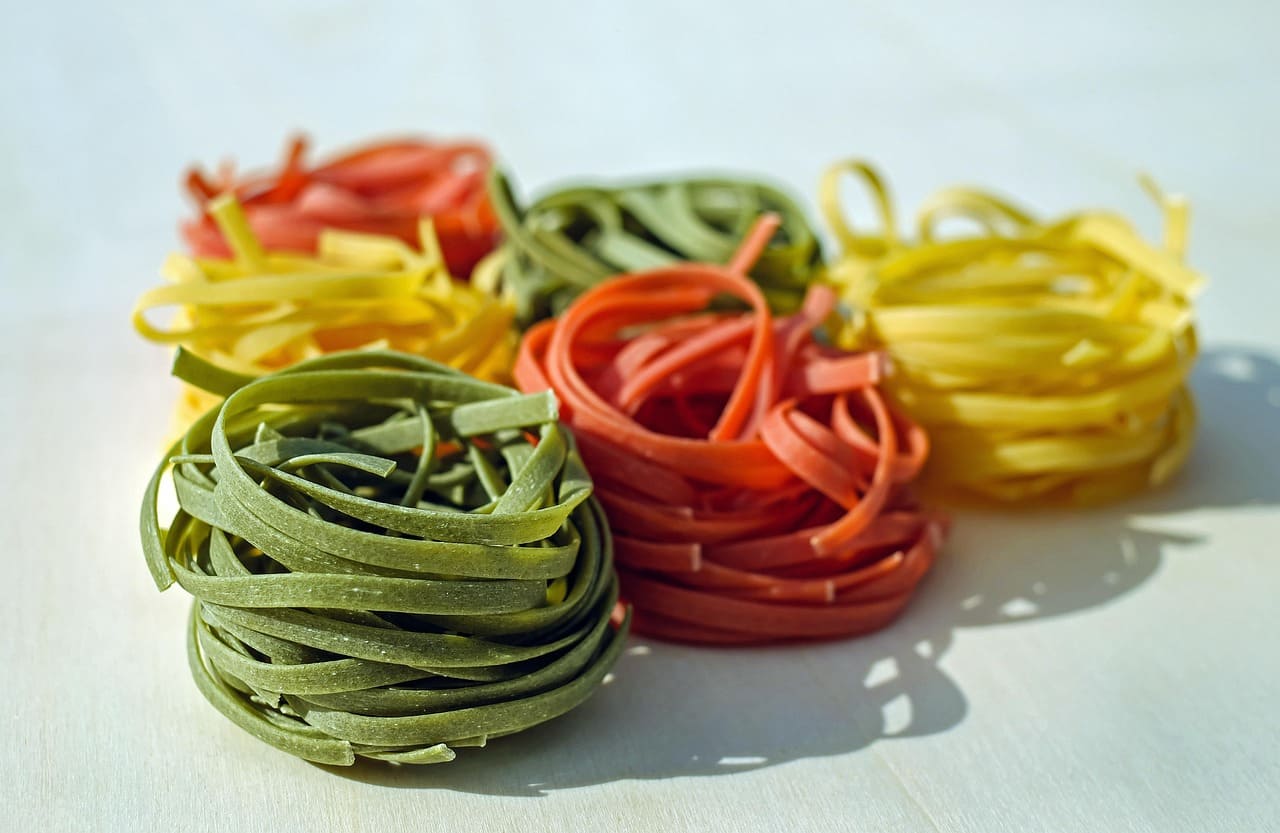
Tagliatelle is the pasta you choose when you want dinner to feel a little more elegant without making it complicated. These long, flat ribbons are wide enough to hold rich sauces, but still delicate enough to twirl and taste light. Tagliatelle has a way of turning simple ingredients—butter, cheese, herbs, a spoonful of tomato—into something that feels restaurant-worthy. It’s also a pasta that shines when it’s fresh: the texture becomes tender and silky, and the ribbons cling to sauce like they were made for it (because they were). In this Second Pasta guide, we’ll explore what makes tagliatelle pasta special, how to cook it for the best bite, and how to pair it with classic sauces from creamy Alfredo-style comfort to slow-simmered bolognese-inspired richness.
What Tagliatelle Is and Why Ribbons Matter
Tagliatelle pasta is a ribbon pasta—long, flat strands that are typically wider than linguine and narrower than pappardelle. That width is the secret. Ribbons create a large surface area for sauce to cling to, which means creamy or meaty sauces coat every strand instead of pooling at the bottom of the bowl.
Tagliatelle is also known for its balance. It’s sturdy enough to stand up to hearty sauces, but it still feels refined. If spaghetti is casual and rigatoni is hearty, tagliatelle sits in the middle: comforting, but polished.
Fresh Tagliatelle: A Different Experience
Fresh tagliatelle cooks quickly and has a tender, silky texture that dried pasta can’t fully replicate. Fresh tagliatelle also absorbs sauce differently—it becomes part of the sauce rather than simply wearing it. That’s why fresh tagliatelle is often paired with richer sauces: the pasta’s soft bite and the sauce’s richness meet in a way that feels cohesive and luxurious.
If you’re cooking fresh pasta, keep an eye on it. It can go from perfect to too-soft in a short time, so taste early and often.
Cooking Tagliatelle for the Best Texture
The goal with tagliatelle is a tender bite with a slight chew. Overcooking makes ribbons feel heavy and clumpy, while undercooking can make the strands too stiff to twirl comfortably.
A simple method:
- Use plenty of salted boiling water.
- Stir gently after adding the pasta to keep ribbons from sticking.
- Cook until just al dente, then transfer directly into sauce.
- Save pasta water before draining.
That reserved pasta water is especially important for tagliatelle because it helps create a glossy coating. A splash of pasta water emulsifies butter, cheese, or cream into a sauce that clings beautifully.
Tagliatelle Alfredo: Creamy Comfort With a Lighter Touch
Tagliatelle alfredo is a classic pairing because ribbons love creamy sauces. Instead of drowning the pasta in heavy cream, the most satisfying Alfredo-style bowls often rely on butter, cheese, and pasta water to create a smooth, silky coating.
To make tagliatelle alfredo feel balanced:
- Keep the sauce glossy, not thick.
- Use plenty of black pepper for warmth.
- Add a squeeze of lemon or a pinch of nutmeg for depth.
- Finish with parmesan for salty richness.
Because tagliatelle holds sauce so well, you can use less sauce than you think and still get a luxurious bite.
Bolognese-Style Pairings and the Ribbon Pasta Family
Tagliatelle is famously paired with slow-cooked meat sauces. While you might see related dishes like pappardelle bolognese or fettuccine bolognese on menus, the idea behind all of them is similar: long ribbons plus a rich, simmered sauce. The differences come down to width and texture.
- Pappardelle bolognese tends to feel extra hearty because pappardelle is wider and more dramatic. It’s great when you want big bites and a bold, rustic feel.
- Fettuccine bolognese leans slightly narrower and is often associated with a smooth, consistent twirl—still hearty, but a touch more uniform.
Tagliatelle sits beautifully between those two. It’s wide enough to carry meat sauce, but not so wide that the bowl feels overly heavy. If you want a bolognese-inspired dinner that feels both comforting and refined, tagliatelle is a perfect choice.
Flavor Add-Ins That Elevate Tagliatelle
Because tagliatelle has such a silky bite, it pairs well with ingredients that add contrast:
- Sautéed mushrooms for earthiness
- Peas or asparagus tips for brightness
- Crispy pancetta for salty crunch
- Fresh herbs like basil or parsley for lift
- A drizzle of good olive oil to finish
One smart move is to keep add-ins relatively small so they distribute evenly across the ribbons. Tagliatelle is all about balance and consistent sauce coverage.
When to Use Tagliatelle vs Fusilli
If tagliatelle is the “silky ribbon” pasta for elegant, clingy sauces, fusilli is the “spiral catcher” for chunkier, more textured sauces. Fusilli grabs pesto, diced vegetables, and thicker dressings in its twists, making it ideal for quick skillet meals and cold pasta salads. Tagliatelle, on the other hand, shines when the sauce is meant to coat—Alfredo-style creaminess, butter-and-cheese gloss, or a slow meat sauce that wraps around each ribbon. Keep both in your pantry and you’ll be ready for two different moods: refined twirls with tagliatelle, and playful, sauce-scooping bites with fusilli.
Conclusion
Tagliatelle pasta is proof that pasta shape can make a meal feel instantly elevated. With its smooth, flat ribbons, it turns sauces into silky coatings instead of puddles, making it ideal for creamy bowls like tagliatelle alfredo and hearty, slow-simmered sauces in the bolognese style. Whether you’re cooking fresh tagliatelle for a tender, luxurious bite or using dried ribbons for a dependable weeknight dinner, the key is simple: cook al dente, save pasta water, and let the sauce cling. And when you want a different texture—one that catches chunky ingredients in spirals—fusilli is the perfect complement. With tagliatelle in your rotation, pasta night always feels a little more special.