
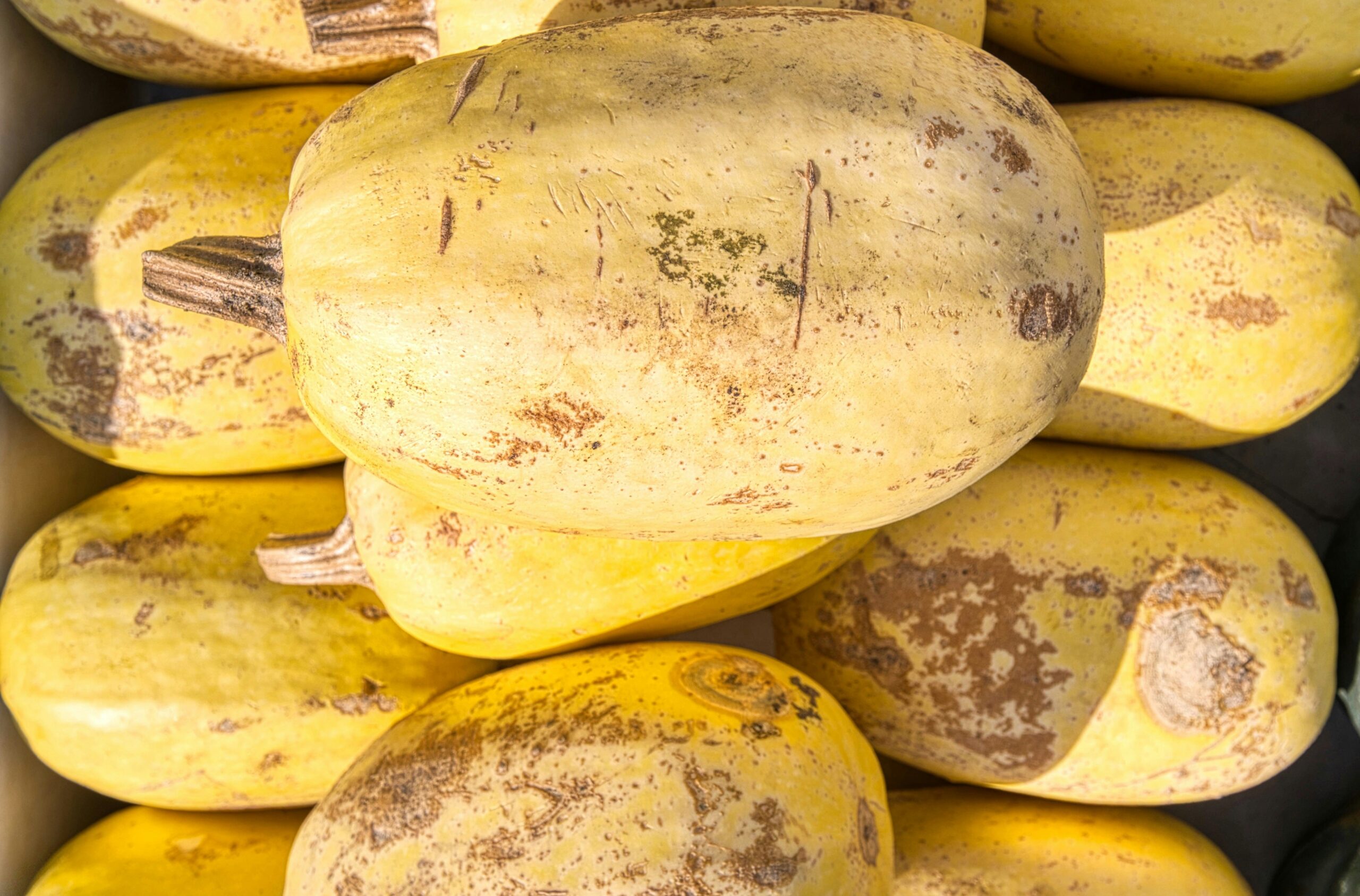
Spaghetti squash is one of those foods that feels like a kitchen magic trick. You cut it open, roast it, and suddenly the inside pulls into tender strands that look like pasta. That’s why so many people fall in love with it: it scratches the itch for a comforting noodle bowl while adding a naturally sweet, roasted vegetable flavor. Spaghetti squash can be a weeknight shortcut, a meal-prep base, or a cozy alternative when you want something lighter but still satisfying. It pairs well with classic sauces, bold toppings, and simple pantry ingredients, and it works across seasons—fresh and bright in spring, warm and hearty in fall and winter. In this Second Pasta guide, we’ll cover the basics of cooking spaghetti squash, how to get the best texture, and how to build meals that taste intentional rather than “diet food.”
What Spaghetti Squash Is and Why It “Strings” Like Pasta
Spaghetti squash is a winter squash with a firm outer shell and a golden interior. When cooked, the flesh separates into long strands. You’ll sometimes hear terms like spaghetti and squash together to describe the ingredient, and some people call it spaghetti marrow in casual conversation—both are referencing that signature stringy texture.
Those strands are why spaghetti spaghetti squash bowls are so popular: the squash creates a natural noodle base without needing dough, boiling water, or careful timing. The flavor is mild and slightly sweet, which means it adapts easily to a wide range of seasonings and sauces.
Choosing a Good Spaghetti Squash
Look for a squash that feels heavy for its size with a firm, unblemished skin. A smooth, hard shell usually means it’s fresh and will roast evenly. Medium-sized squash is often the sweet spot: large enough to create generous strands, but not so big that it takes forever to cook.
A quick practical note: spaghetti squash can be tough to cut. Use a stable cutting board and a sharp, sturdy knife. If it feels too hard to slice safely, you can soften it slightly by microwaving it for a couple minutes, then cutting it once it’s easier to handle.
Baking Spaghetti Squash for the Best Flavor
Baking spaghetti squash is the most popular method because roasting brings out sweetness and adds a gentle caramelized flavor. It also makes the strands easy to scrape.
A reliable roasting approach:
- Cut the squash lengthwise and scoop out the seeds.
- Brush the cut sides lightly with oil and sprinkle with salt.
- Place cut-side down on a baking sheet.
- Roast until the skin yields when pressed and the flesh pulls into strands easily.
For extra flavor, add black pepper, garlic powder, or smoked paprika before roasting. The goal is to season the squash so the “noodles” taste good on their own, not only once sauce is added.
Cooking Spaghetti Squash for Different Textures
Cooking spaghetti squash isn’t one-size-fits-all. The texture changes depending on how long and how you cook it.
- Roasting: richest flavor, slightly drier strands, best for sauce clinging
- Microwaving: fastest, slightly wetter strands, great for quick meals
- Steaming: mild flavor, soft strands, works well with bold toppings
No matter the method, the most important tip is to avoid overcooking. If the squash cooks too long, the strands can become mushy and watery. When it’s done right, the strands should be tender but still have a bit of bite—more “al dente veggie noodles” than “squash puree.”
Sauces and Toppings That Make It Feel Like a Real Meal
Spaghetti squash shines when you add contrast: creamy, crunchy, spicy, or tangy elements that make each bite interesting.
Topping ideas that work reliably:
- Marinara with parmesan and basil
- Pesto with roasted cherry tomatoes
- Garlic butter with sautéed mushrooms
- Chili crisp or red pepper flakes for heat
- Lemon, herbs, and feta for brightness
- Ground turkey or sausage for heartiness
If you want a richer bowl, treat it like pasta: toss the strands with sauce in a skillet and use a splash of broth or a little butter to help everything coat evenly. This small step makes the squash feel less like a side dish and more like a full entrée.
Using Spaghetti Squash as a Meal-Prep Base
Spaghetti squash is excellent for meal prep because it reheats quickly and pairs with many flavors. Roast it, scrape the strands into containers, and keep sauces separate until you’re ready to eat. That prevents the strands from soaking up too much moisture and turning soft.
A smart strategy is to prep the squash plain, then flavor it in different directions across the week. One night can be marinara and cheese, another can be pesto, another can be a creamy sauce with spinach. The same base, different vibe.
Spaghetti Squash vs Pappardelle
Spaghetti squash can be surprisingly comforting, but it’s still a different experience than a wide ribbon pasta like pappardelle. Pappardelle is thick, silky, and luxurious—perfect for rich sauces that coat each ribbon and feel like a special occasion. Spaghetti squash, on the other hand, is lighter and slightly sweet, with strands that hold sauce but don’t create the same buttery chew. Think of it as two tools for two moods: pappardelle when you want classic indulgence, spaghetti squash when you want cozy comfort with a fresher, lighter feel. Both can carry a hearty sauce, but the texture and richness are completely different—and that’s exactly why it’s useful to have both in your rotation.
Conclusion
Spaghetti squash is a simple ingredient with big payoff: roast it, scrape it, and you’ve got tender strands ready for sauce and toppings. Whether you’re planning spaghetti and squash bowls for weeknights, experimenting with the texture people call spaghetti marrow, or perfecting your routine for baking spaghetti squash and cooking spaghetti squash to the right bite, the key is the same—season well, don’t overcook, and add bold toppings that make it feel like a complete meal. And when you want a richer, classic pasta night, pappardelle is always there for that luxurious ribbon-pasta experience. With spaghetti squash in your rotation, comfort food gets a little lighter—without losing the cozy factor.