
Penne is the pasta you reach for when you want dinner to work. It’s reliable, versatile, and built for sauce in a way that makes even simple meals taste complete. Those short tubes, often with ridges, are designed to catch flavor inside and out—meaning you get sauce in every bite without needing fancy technique. Penne is also easy to portion, quick to cook, and sturdy enough to hold up in creamy skillets, tomato-forward classics, and baked casseroles. That’s why penne pasta shows up on family tables, restaurant menus, and meal plans everywhere. In this Second Pasta guide, we’ll explore what makes penne special, how to cook it well, and a few go-to styles—like vodka sauce, pomodoro, and Alfredo—that turn this everyday pasta into a favorite you can repeat without getting bored.
What Makes Penne Such a Great Pasta Shape
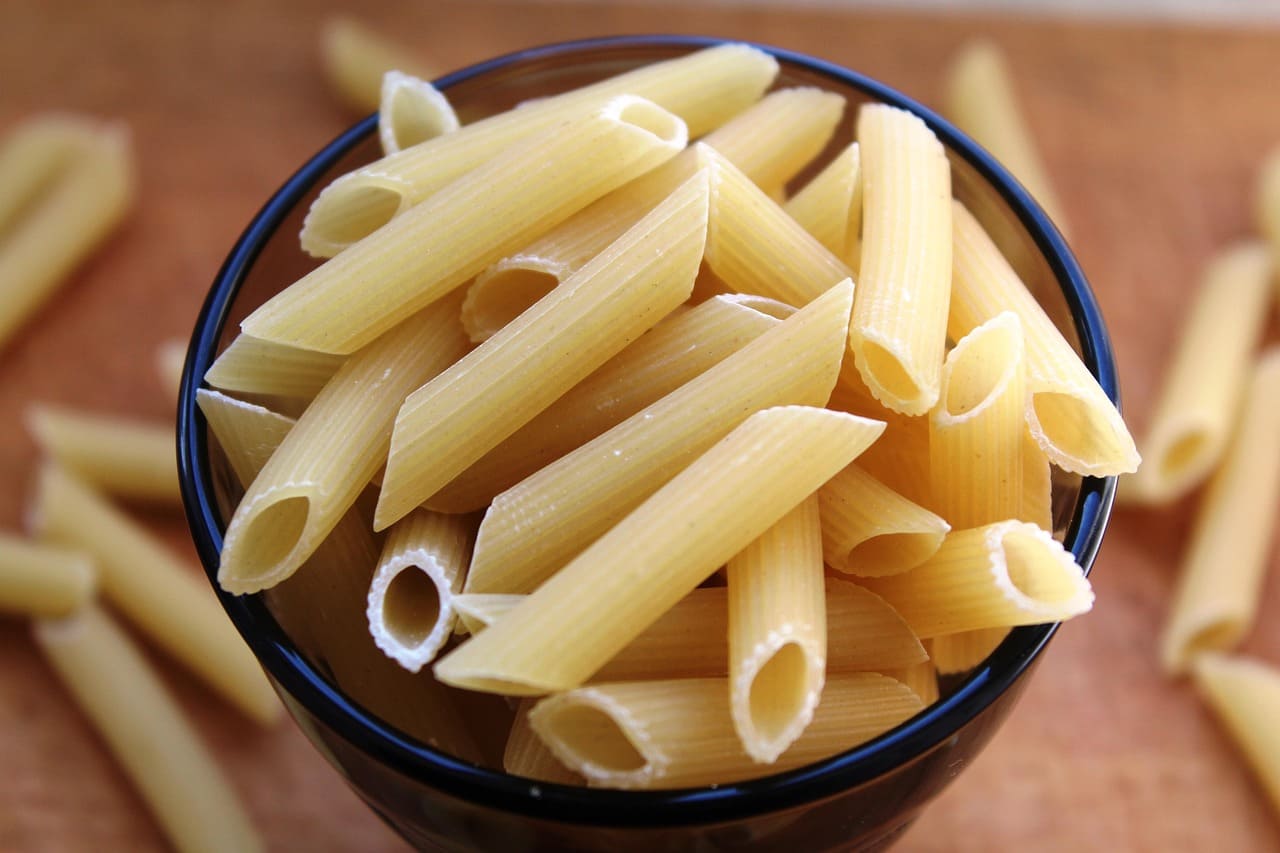
Penne’s strength is structure. The hollow tube holds sauce on the inside, while the outside—especially if it’s ridged—holds sauce on the surface. The angled ends also help scoop up sauce and bits of ingredients like diced tomato, pancetta, or sautéed vegetables.
Because it’s sturdy, penne holds up well in reheating and meal prep. It doesn’t collapse into mush as quickly as more delicate shapes, which makes it ideal for leftovers, lunches, and baked dishes that spend extra time in the oven.
How to Cook Penne Pasta Like a Pro
The key to great penne is texture. You want it al dente so it stays firm in the sauce and doesn’t turn soft as it finishes cooking.
A simple method:
- Boil in generously salted water (it should taste lightly like the sea).
- Stir early so pieces don’t stick.
- Start tasting 2 minutes before the package time.
- Reserve a mug of pasta water before draining.
That reserved pasta water is your secret weapon. Adding a splash to the pan helps sauces cling, emulsifies fats, and brings everything together so your penne tastes glossy and restaurant-like rather than dry or separated.
Penne Alla Vodka: Creamy, Tangy, and Crowd-Pleasing
Penne alla vodka is popular for a reason: it tastes rich without being heavy, and it balances tomato brightness with creamy comfort. The sauce typically starts with aromatics and tomato, then finishes with cream. The result is silky, slightly tangy, and perfect for penne because the tubes trap the sauce.
A few tips for an excellent vodka-style sauce:
- Cook the tomato base long enough to deepen flavor.
- Add cream slowly and simmer gently (don’t boil hard).
- Use pasta water to smooth the texture and help it cling.
- Finish with cheese for a salty, savory lift.
Even if you’re cooking for picky eaters, penne alla vodka tends to win because it feels familiar while still tasting special.
Penne Pomodoro: Simple Tomato Flavor Done Right
Penne pomodoro is the opposite vibe—bright, clean, and simple. When done well, it tastes fresh and vibrant, not plain. The trick is using a flavorful tomato base and finishing with good olive oil and herbs so the sauce tastes alive.
To make pomodoro feel intentional:
- Sauté garlic gently so it’s fragrant, not burnt.
- Simmer tomatoes until they’re thick enough to coat the penne.
- Add basil at the end for freshness.
- Finish with a drizzle of olive oil and a pinch of salt.
Because penne holds sauce so well, you don’t need a complicated pomodoro. Penne pasta plus a simple tomato sauce can still feel like a full meal—especially with a side salad or a little crusty bread.
Chicken Penne Pasta: A Full Dinner in One Bowl
Chicken penne pasta is a weeknight hero because it can be built in a single pan. Brown chicken pieces first for flavor, then build your sauce in the same skillet—tomato-based, creamy, garlicky, or a mix. Add vegetables like spinach, broccoli, or mushrooms, then toss with cooked penne and a splash of pasta water to bring it together.
What makes this dish so effective is balance:
- Protein for satisfaction
- Pasta for comfort
- Sauce for richness or brightness
- Vegetables for color and texture
It’s also easy to scale up, which makes it perfect for feeding a family or stocking leftovers.
Alfredo Penne: Creamy Comfort With a Sturdy Bite
Alfredo penne is pure comfort—creamy, savory, and satisfying. Penne is a great choice for Alfredo because the sauce clings and pools inside the tubes, so each bite feels rich without needing a mountain of sauce.
A few ways to keep Alfredo tasting great:
- Keep heat low so the sauce stays smooth.
- Use pasta water to loosen and emulsify.
- Add black pepper or a pinch of nutmeg for warmth.
- Mix in peas, spinach, or roasted chicken if you want a fuller meal.
Alfredo penne is also a solid “clean out the fridge” option. It pairs well with leftover roasted vegetables or bits of cooked protein.
Penne and Manicotti in Baked Pasta Nights
If penne is your go-to for quick pasta dinners, manicotti is its cozy baked counterpart. Both work beautifully in pasta night rotations, especially when you want something comforting. Penne is the fast, flexible shape you toss in sauce and serve immediately. Manicotti is the special-occasion tube you stuff, cover with sauce, and bake until bubbly. If you’re planning meals for the week, you can even share components: make a simple marinara once, then use it for penne pomodoro one night and baked manicotti another. Same flavors, different experiences—without extra work.
Conclusion
Penne pasta earns its popularity by doing everything well. It’s sturdy enough for creamy sauces, perfect for tomato classics, and easy to build into complete meals. Whether you’re craving penne alla vodka, keeping things bright with penne pomodoro, making a hearty chicken penne pasta skillet, or leaning into comfort with alfredo penne, the shape delivers sauce in every bite and holds up beautifully from first serving to leftovers. And when you want to switch gears, baked favorites like manicotti are a natural next step—proof that a well-stocked pasta pantry can keep dinner exciting without making it complicated.